Yarn Dyeing Cones vs Dye Tubes vs Bobbins: Which One Does Your Mill Need?

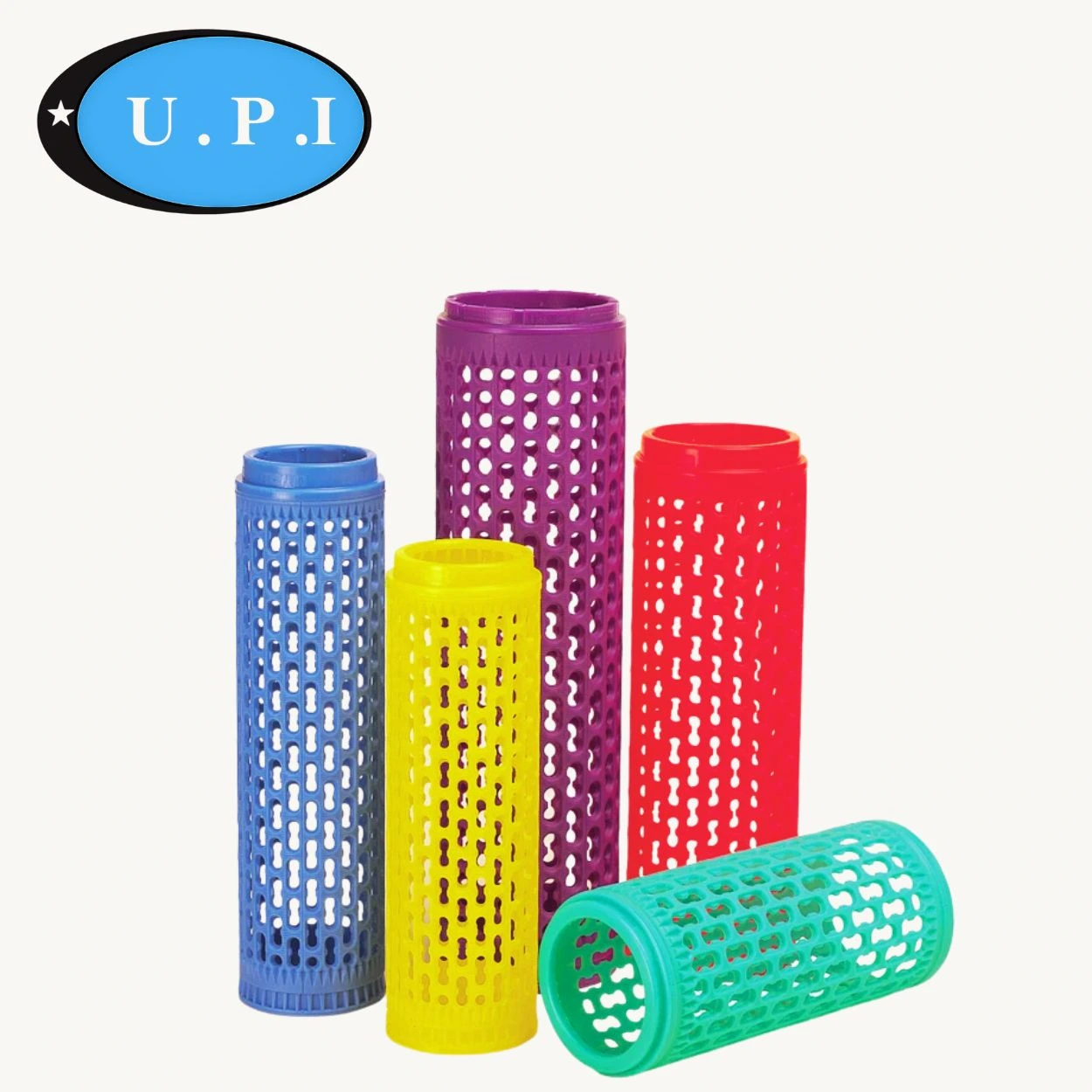
Walk into any spinning mill or dyeing unit in Faisalabad or Lahore and you will see thousands of plastic carriers in different shapes and colours. Some are perforated, some are solid, some are conical and some are straight. To a new buyer they can look similar, but each one is designed for a specific stage of yarn processing.
This article compares yarn dyeing cones, dye tubes and plastic bobbins so that purchase managers and production heads can choose the right carrier for each job. For a deeper look at perforated cones, read our complete guide to perforated dyeing cones.
Understanding the Yarn Journey
Yarn moves through several stages: spinning, winding, dyeing, rewinding and finally weaving or knitting. At each stage it sits on a carrier. Using the wrong carrier at any stage can cause yarn breaks, uneven dyeing or tangles, so matching the carrier to the process is important.
Yarn Dyeing Cones
Yarn dyeing cones are conical carriers with perforations across their surface. Yarn is soft-wound onto them and then dyed in package dyeing machines.
- Shape: tapered cone
- Surface: perforated with holes or slots
- Used for: package dyeing of cotton, polyester and blended yarns
- Benefit: stable stacking and even dye flow
See our range of plastic yarn dyeing cones.
Dye Tubes (Cheese Tubes)
Dye tubes are cylindrical perforated carriers. The yarn package formed on them has straight sides and is often called a cheese.
- Shape: straight cylinder
- Surface: perforated
- Used for: package dyeing where uniform cylindrical packages are required
- Benefit: consistent package density from top to bottom
Plastic Bobbins
The word bobbin covers several carriers used in spinning, winding and dyeing. The four most common types are:
Dyeing Bobbins
Perforated bobbins designed for dyeing machines, similar to dye tubes but often with specific end designs for particular machines.
Cone Bobbins
Conical bobbins, either plain or perforated, used for precise winding and storage of yarn.
Cylindrical Bobbins
Solid, straight bobbins used for general winding and storing yarn where dyeing is not required.
Spinning Bobbins
Slim, long bobbins designed to fit spinning machines, where yarn is first formed.
Side-by-Side Comparison
| Carrier | Shape | Perforated | Main process |
|---|---|---|---|
| Yarn dyeing cone | Conical | Yes | Package dyeing |
| Dye tube | Cylindrical | Yes | Package dyeing |
| Dyeing bobbin | Cylindrical | Yes | Machine-specific dyeing |
| Cone bobbin | Conical | Plain or perforated | Winding |
| Cylindrical bobbin | Cylindrical | No | Winding and storage |
| Spinning bobbin | Slim, long | No | Spinning |
How to Choose the Right Carrier
- Identify the process: dyeing needs perforated carriers, while spinning and winding usually use solid ones.
- Check your machine: spindle diameter, height and end design must match the carrier.
- Consider the yarn: fine counts may need smoother surfaces, while heavy yarns need stronger carriers.
- Decide on reuse: carriers reused for many cycles need higher strength and heat resistance.
- Plan volumes: confirm that your supplier can meet your monthly requirement.
Common Mistakes to Avoid
- Using plain cones in dyeing machines, which blocks dye flow and causes uneven shades.
- Mixing carriers of slightly different sizes in one batch, which causes poor stacking.
- Choosing the cheapest carriers without testing heat resistance.
- Ordering from several suppliers, which leads to size variation between lots.
One Manufacturer for Cones, Tubes and Bobbins
Usman Packages Industry manufactures dyeing cones, dye tubes, dyeing bobbins, cone bobbins, cylindrical bobbins and spinning bobbins at our factory in Lahore. With production of more than 1 million cones every month, we supply spinning mills and dyeing units across Pakistan. View our plastic yarn cones and bobbins, or contact us with your machine details for a recommendation.
Many of our textile customers also buy garment hangers for their stitching units. If that applies to you, see our guide on types of plastic garment hangers.
Colour Coding Carriers in Your Mill
Large mills often handle dozens of yarn counts and blends at the same time. Using different carrier colours for different counts or blends is a simple way to avoid mix-ups. For example, a mill might use one colour for 20s cotton, another for 30s and a third for polyester blends. Workers can identify the yarn at a glance, which reduces errors at winding, dyeing and dispatch.
When you plan colour coding, choose colours that are easy to tell apart under factory lighting, and keep the same system across all departments. Ask your supplier to keep each colour consistent from batch to batch.
Reuse, Return and Recycling
Carriers that stay inside the mill, such as dyeing tubes used for repeated cycles, can be reused many times if they are strong and heat stable. Carriers that leave the mill with the yarn, such as final winding cones, are usually not returned. Some mills arrange for customers to return empty cones, which reduces cost but needs a sorting and inspection system to remove damaged pieces. Decide early which carriers you will reuse, because this affects the strength and price you should look for.
Working with Your Supplier on Specifications
The best results come when the mill and the supplier agree on a written specification for each carrier: dimensions, colour, weight range and intended process. Keep approved samples in the purchase department and compare every new delivery against them. This simple habit prevents most quality disputes and keeps production running smoothly.
Planning Carrier Stock for Peak Seasons
Pakistan’s textile sector has busy periods linked to export orders and domestic fashion seasons. During these periods, mills increase production, and carrier consumption rises sharply. Running short of dyeing tubes or winding cones at the peak of an order can stop machines, even when yarn and dyes are available.
- Review last year’s carrier usage month by month to identify peaks.
- Agree a monthly delivery schedule with your supplier before the peak starts.
- Keep a safety stock of the most used sizes and colours.
- Check stock levels weekly during busy months.
A manufacturer with high capacity can support these peaks, but only if it knows your plan in advance.
Supplying Mills Across Punjab
Most of Pakistan’s spinning and dyeing capacity is concentrated in Punjab, with Faisalabad as the largest textile centre and many mills in Lahore, Kasur, Sheikhupura and Multan. A cone and bobbin manufacturer based in Lahore can reach these clusters quickly by road, which keeps lead times short and allows smaller, more frequent deliveries. For mills, this means less money tied up in carrier stock and faster response when a new order arrives. When choosing a supplier, ask about delivery frequency to your area and whether urgent top-up deliveries are possible during busy weeks.
Usman Packages Industry delivers cones, dye tubes and bobbins to mills across Punjab and the rest of Pakistan on agreed schedules.
Frequently Asked Questions
Is a dye tube the same as a cheese tube?
Yes. Both terms describe a cylindrical perforated carrier used to form a straight-sided yarn package for dyeing.
Can one carrier be used for both winding and dyeing?
Perforated cones and tubes can be used for winding before dyeing, but plain bobbins should not be used in dyeing machines.
Do you make bobbins in custom colours?
Yes. We make cones and bobbins in custom colours, which helps mills identify yarn counts and lots quickly.
Key Takeaways
- Dyeing needs perforated carriers; spinning and winding use solid ones.
- Carriers must match your machine spindle size and design.
- Colour coding carriers reduces mix-ups between yarn counts.
- Plan carrier stock before peak seasons.
Need a quotation from Usman Packages Industry?
Call 0333 4653659 or message us on WhatsApp 0333 4653659. You can also schedule a meeting at our office in Green Town, Lahore to see our hanger and cone collection.